











Librarian: Tidy Up The Arcane Library!

 Loading...


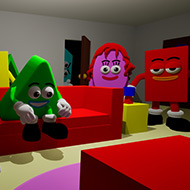




Librarian: Tidy Up The Arcane Library! sounds like a tidy little chore simulator. What’s actually waiting behind that title is a pencil, a magnifying glass, and a death that needs investigating one hand-drawn clue at a time.
| Genre | Horror Investigation |
| Platform | Browser |
| Core Tools | Pencil, Magnifying Glass (Tab) |
The Pencil Is the Whole Mechanic
Librarian: Tidy Up The Arcane Library! builds its entire investigation system around a single sketching tool. Rather than clicking through static evidence menus, you draw — sketching out details of a crime scene by hand, translating what you notice into marks on the page rather than picking pre-written options from a list. That hands-on approach is what separates the game from a more conventional point-and-click mystery.
The drawing input isn’t always perfectly precise, and players have noted that detection of what you’re sketching can be a little finicky in places — a rough edge that’s honest about the game’s scope rather than a polish problem that undermines the core idea. Once you adjust to how the pencil registers strokes, the sketching itself becomes the most memorable part of the experience.
The Magnifying Glass and Investigating Death
Pulling up the magnifying glass with Tab shifts the game into its inspection mode, letting you examine details too small or subtle to catch during a normal pass through a scene. Alternating between sketching with the pencil and inspecting with the magnifying glass forms the entire investigative rhythm — sketch what you see, then verify it under closer inspection before committing to a conclusion about what actually happened.
The horror element comes less from jump scares and more from the atmosphere built around piecing together a death nobody witnessed directly. Community reaction to Librarian: Tidy Up The Arcane Library! consistently describes it as capturing that classic indie horror feeling — unsettling in tone without leaning on cheap shock tactics to get there.
A Short, Focused Investigation
Playtime here is intentionally brief, closer to a single evening’s session than a sprawling mystery with dozens of cases. Some players have specifically wished for more length once they reached the end, which speaks to how well the core pencil-and-magnifying-glass loop lands in the time it’s given — a common criticism, but one rooted in wanting more of something that already works rather than fixing something broken.
That brevity does mean the game front-loads its best ideas without much room for a slow build. Anyone expecting a long, drawn-out mystery should recalibrate expectations going in — this is a tightly scoped experience, not an extended campaign.
What Beginners Get Wrong in Librarian: Tidy Up The Arcane Library!
New players often try to sketch too fast, treating the pencil like a quick sketch tool rather than a careful investigative one, which leads to details getting missed simply because they were drawn hastily. Slowing down during the sketching phase pays off more than rushing to reach the magnifying glass inspection sooner.
The other common mistake is skipping the magnifying glass entirely and relying on the initial sketch alone. Since some details are specifically hidden from a normal pass and only surface under closer inspection, treating Tab as optional rather than a required step tends to leave players missing evidence they needed to draw the right conclusion.
How long does a full playthrough of Librarian: Tidy Up The Arcane Library! take?
It’s built as a short, focused experience rather than a long campaign, closer to a single sitting than something spread across multiple sessions.
Is the drawing mechanic hard to get used to?
There’s a brief adjustment period, since stroke detection can be a little imprecise at times, but most players settle into the pencil controls within the first case.
Librarian: Tidy Up The Arcane Library! earns its atmosphere through that pencil-and-magnifying-glass rhythm alone, and by the time the last sketch is finished, the short runtime feels less like a limitation and more like the exact length the idea needed.
Comments
There are no reviews yet. Be the first one to write one.